Buyers Guide
The Sigma II Advantage: Why the CTS Coupe Outclasses the Tuner Market
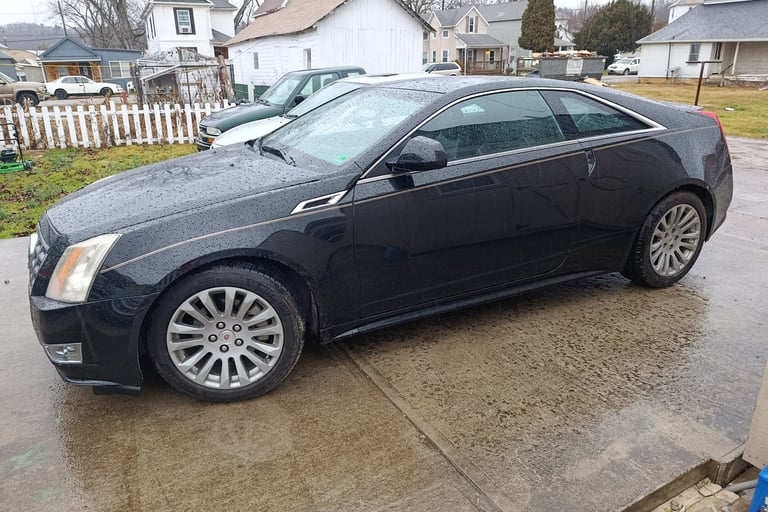
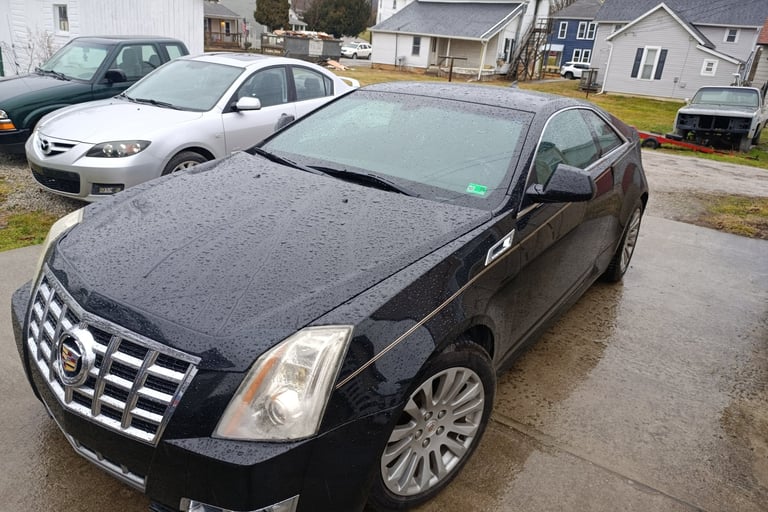
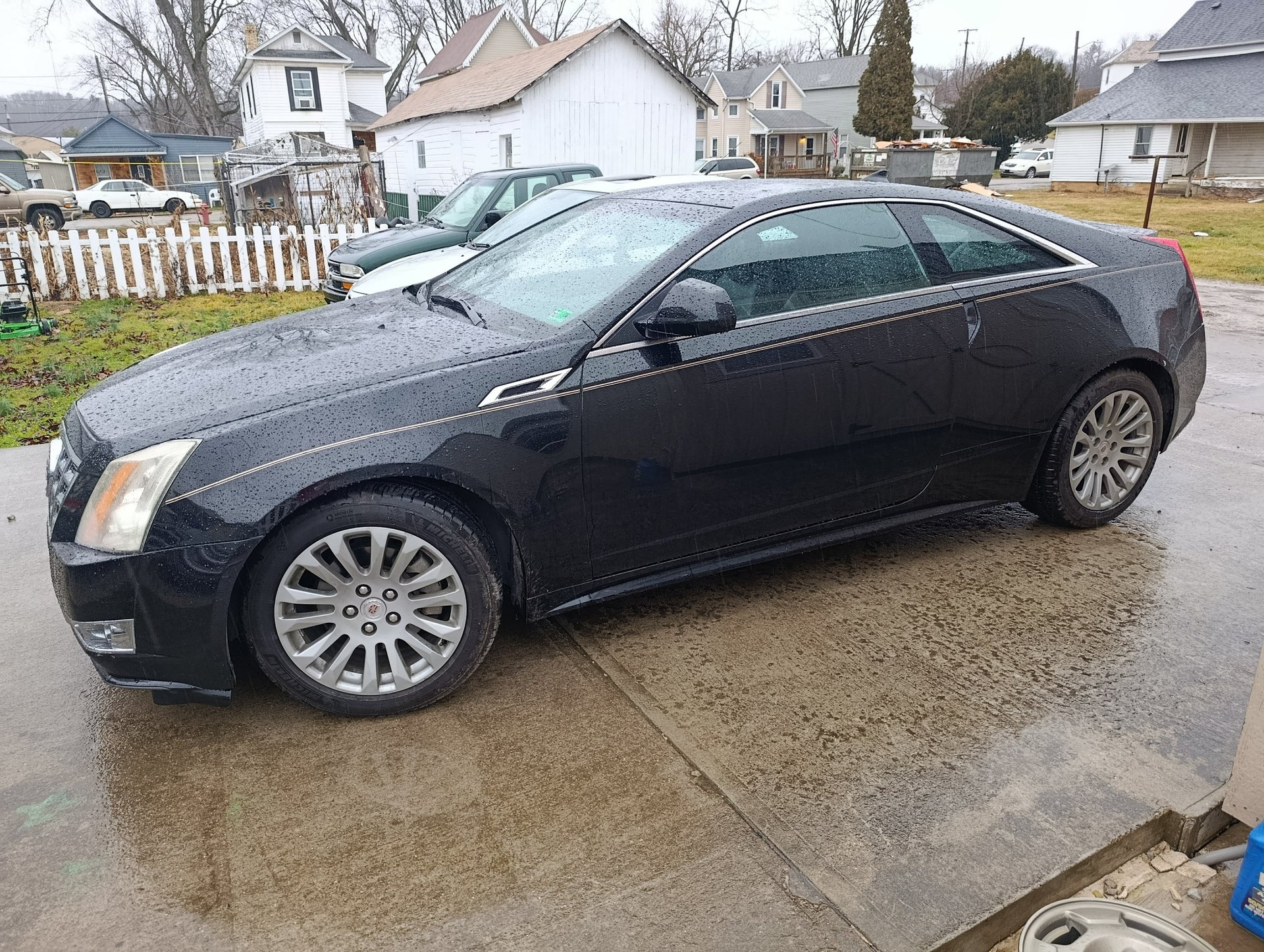
In the modern landscape of high-performance coupes, the market is saturated with "tuner" platforms like the Subaru STI, the Infiniti G37, and the Toyota 86. While these vehicles are often celebrated in enthusiast circles, a technical analysis reveals they are fundamentally different—and often inferior—industrial assets compared to the 2011–2014 Cadillac CTS Coupe. For the owner who prioritizes structural integrity, long-term reliability, and executive presence, the Cadillac isn't just a luxury choice; it is the only logical choice.
Structural Integrity vs. "Thin-Gauge" Construction
The most immediate difference when cross-shopping these platforms is the "Vault-Like" feeling of the Cadillac’s Sigma II chassis. While the Toyota 86 and Subaru STI utilize thin-gauge steel and lightweight materials to prioritize agility, they suffer from high road noise, cabin resonance, and a "tin can" feel at highway speeds. In contrast, the CTS Coupe was built with a broad-shouldered industrial philosophy. It remains planted and unbothered by heavy crosswinds or the air-wash of semi-trucks—a "Freight Train" stability that lighter cars simply cannot replicate. As these vehicles age, the Cadillac’s high-strength steel foundation maintains its silence, while the thinner frames of the G37 and 86 often develop the rattles and "creaks" typical of consumer-grade construction.
The 87-Octane Financial Arbitrage
One of the most significant, yet overlooked, advantages of the Cadillac LFX platform is its fuel strategy. Every competitor in this class—the high-strung boxer engine of the STI, the thirsty VQ37 of the Infiniti, and the underpowered 4-cylinder in the 86—mandates 91+ Octane Premium fuel. The Cadillac LFX 3.6L was specifically engineered to produce its 318 horsepower on Standard 87 Octane. In the current economy, this represents an "Industrial Dividend" of approximately $50 for every 1,000 miles driven. Over a 100,000-mile ownership cycle, the Cadillac puts roughly $5,000 back in your pocket in fuel savings alone, effectively paying for its own maintenance while the competition drains your capital at the pump.
External Maintenance vs. Internal Trauma
When a modern tuner car fails, the failure is often "internal and catastrophic." The Subaru is haunted by ringland and head gasket risks; the Infiniti G37 is famous for "gallery gasket" failures that require a $3,000 engine-out repair; and the 86 faces RTV oil-pickup issues. The "ghosts" of the Cadillac CTS, by comparison, are almost exclusively external and modular. The common failure points—electronic door handles, trunk latches, and sunroof drains—are components that can be serviced or replaced in a driveway with basic hand tools in under an hour. By isolating its weaknesses to the exterior of the drivetrain, the Cadillac ensures that your "Maximum Involvement" is spent on the computer building your brand, not under a lift rebuilding an engine.
The Verdict: Executive Presence
Ultimately, the Toyota 86 looks like a teenager’s toy and the Infiniti G37 looks like a relic of the 2010s. The CTS Coupe—especially in the rare Slicktop configuration—still possesses the "Concept Car" presence that makes it an elite industrial asset. It treats the driver like an adult and the highway like a runway. While the tuner market chases the next lap time, the LFXSvc owner enjoys a superior structural foundation, lower operating costs, and the undeniable authority of the Sigma II platform.
Our Mission
What We Offer
The Problem: Crankcase Over-Pressurization
Early iterations of the LFX engine were equipped with a PCV (Positive Crankcase Ventilation) barb that featured three tiny, restrictive holes. Over time, these holes become a bottleneck for the engine's "breathing" system.
Carbon Clogging: The small diameter of the factory holes makes them highly susceptible to clogging from oil vapor and carbon buildup.
Seal Failure: When the PCV system cannot vent properly, internal pressure builds up within the engine block. This pressure often finds the path of least resistance, which is typically the Rear Main Seal. A blown rear main seal is a labor-intensive, multi-thousand dollar repair.
Oil Consumption: Inadequate venting causes oil to be pushed into the intake snorkel, leading to fouled throttle bodies and heavy carbon deposits on the intake valves.
The Fix: Enlarging the PCV Orifice
The modification involves physically enlarging the holes in the metal PCV barb to match the specifications Cadillac adopted in later production runs (mid-2013 and beyond).
Tools Required:
Pliers or Vice-Grips
Drill and bits (5/64" and 7/64" or 1/8")
Brake cleaner or degreaser
The Procedure:
Extraction: The PCV barb is located at the rear of the passenger-side valve cover. Disconnect the plastic PCV line and use pliers to pull the metal barb straight up and out of the valve cover.
Enlarging the Holes:
The top hole is typically drilled out to 1/8" (or 7/64").
The two smaller side holes are drilled out to 5/64".
Deburring: It is critical to remove all metal shavings and "burrs" from the part after drilling.
Reinstallation: The barb is cleaned thoroughly and pressed back into the valve cover until seated.
Buyer’s Guide "Pro-Tip"
When inspecting a used CTS, Camaro, or Impala with the LFX engine, savvy buyers should perform the "Paperclip Test."
If a standard small paperclip cannot fit into the PCV holes, the engine is likely suffering from restricted ventilation.
Check for oil residue inside the air intake tube (snorkel). If it’s oily, the PCV system is failing to separate oil vapor correctly, making this modification a top priority for the new owner.
Synergy with Catch Cans
Enlarging the holes solves the pressure problem, but it can increase the volume of oil vapor moving toward the intake. Therefore, this modification is almost always performed in conjunction with a High-Quality Catch Can to ensure the engine breathes freely without "inhaling" oil.
Common Questions
What is lfxsvc?
A technical archive for 2011-2014 Cadillac CTS Coupe.
Which models are covered?
We focus on the Sigma II platform, specifically the LFX-powered CTS Coupe.

Contact Us
Questions about your CTS coupe? Reach out anytime.

Contact
Expert help for your Cadillac CTS
info@lfxsvc.com
© 2026 LFXSvc As an Amazon Associate, I earn from qualifying purchases.